The first battle is an attack on your vocabulary How Leaders Weaponize “Just War” language.
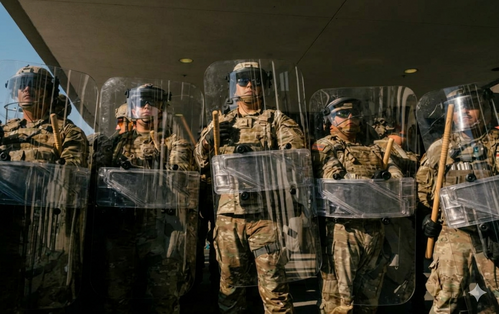
There is a not-so-secret war over words that has been waged in the public arena for the past generation. For centuries, the phrase “just war” has carried enormous moral weight in society. It’s been used by philosophers, theologians, and ethicists to answer hard questions like: When does a country have the right to go to war? What are the limits on how we fight, and who sets them? How do we protect innocent people caught in the middle of a war?
But today, the phrase is often used very differently. Instead of a moral standard that restrains war, it has become a political slogan that justifies it.
World leaders, speechwriters, and media personalities routinely invoke “just war” language to rally public support or silence critics. The first battle of many modern conflicts is not fought with bullets or bombs but with words. “Just war” is one of the most powerful weapons on the battlefield of words.
In this article, I want to look at why world leaders hijack the meaning of “just war” and how they do it—especially for selfish reasons.
But today, the phrase is often used very differently. Instead of a moral standard that restrains war, it has become a political slogan that justifies it.
World leaders, speechwriters, and media personalities routinely invoke “just war” language to rally public support or silence critics. The first battle of many modern conflicts is not fought with bullets or bombs but with words. “Just war” is one of the most powerful weapons on the battlefield of words.
In this article, I want to look at why world leaders hijack the meaning of “just war” and how they do it—especially for selfish reasons.
What “Just War” Originally Meant
Historically, just war thinkers were some of the brightest minds in human history. Intellectual giants like Augustine, Aquinas, and later ethicists meant to do two crucial things when defining what makes war just:
1. Restrain when wars could be started:
• Can only be declared by a legitimate authority
• It must be the last resort after peaceful options fail
• There must be a just cause (like defending against aggression)
• The intention should be to restore peace, not seek revenge, power, or glory
2. Restrict how wars could be fought:
• Protect civilians
• Only use force proportional to the objective
• Warriors must avoid unnecessary suffering and cruelty
Simply put, “just war” was originally designed to be a moral speed limit, not the autobahn for world leaders’ political agendas. It was meant to limit war, not to license it.
1. Restrain when wars could be started:
• Can only be declared by a legitimate authority
• It must be the last resort after peaceful options fail
• There must be a just cause (like defending against aggression)
• The intention should be to restore peace, not seek revenge, power, or glory
2. Restrict how wars could be fought:
• Protect civilians
• Only use force proportional to the objective
• Warriors must avoid unnecessary suffering and cruelty
Simply put, “just war” was originally designed to be a moral speed limit, not the autobahn for world leaders’ political agendas. It was meant to limit war, not to license it.
Then Nationalism Changed the Conversation
Enter nationalism: the belief that one’s own nation is uniquely special, virtuous, or destined for greatness. Nationalism often turns moral conversations into tribal ones. Instead of asking if this war is truly just by outside standards, nationalistic political leaders describe why this war is good for us.
That subtle shift in language changes everything. If national interest becomes the measure of justice, the phrase “just war” becomes dangerously flexible. When their nation feels threatened, leaders can frame almost any use of force as defensive.
This war on words is far from merely defensive. When language shifts from objective external standards to subjective internal measures, the term “just war” is exploited to justify offensive actions that serve only the nation’s self-interest. Relying solely on internal metrics, "just war” ceases to represent a moral truth and instead becomes a tool to advance a political agenda.
That subtle shift in language changes everything. If national interest becomes the measure of justice, the phrase “just war” becomes dangerously flexible. When their nation feels threatened, leaders can frame almost any use of force as defensive.
This war on words is far from merely defensive. When language shifts from objective external standards to subjective internal measures, the term “just war” is exploited to justify offensive actions that serve only the nation’s self-interest. Relying solely on internal metrics, "just war” ceases to represent a moral truth and instead becomes a tool to advance a political agenda.
Why Leaders Distort “Just War” Words
There are powerful reasons why leaders frequently choose to wage war on words before launching missiles against a foreign power — and this is no accident. Astute leaders intentionally manipulate the principles of “just war" to advance their national interests, rally public support, influence the global moral narrative, or suppress opposition.
The Techniques: How the Meaning Gets Twisted
Leaders don’t simply declare, “We’re fighting a just war” and walk away. They employ a whole arsenal of distortion. Here are some of the most common tactics.
1. Redefining “Defense” So It Covers Almost Anything - Classic just war thinking emphasizes defense against aggression. But in nationalistic rhetoric, defense also becomes offensive.
2. Demonizing the Enemy- A real just war framework insists on seeing even the enemy as a moral agent and a human being, not a monster. Once the enemy is demonized, almost any brutality can be justified as part of a just war against “evil”.
3. Hiding Civilian Suffering Behind Abstract Words - True just war ideas require discrimination (protecting civilians) and proportionality. By carefully choosing words, they shield the public from the full moral cost of the conflict, while maintaining the claim that the war is still “just.”
4. Selectively Quoting Just War Language - Another common strategy is to reframe the phrase by selectively quoting just war ideas. This distortion borrows just war vocabulary, but only the parts that fit the national narrative.
1. Redefining “Defense” So It Covers Almost Anything - Classic just war thinking emphasizes defense against aggression. But in nationalistic rhetoric, defense also becomes offensive.
2. Demonizing the Enemy- A real just war framework insists on seeing even the enemy as a moral agent and a human being, not a monster. Once the enemy is demonized, almost any brutality can be justified as part of a just war against “evil”.
3. Hiding Civilian Suffering Behind Abstract Words - True just war ideas require discrimination (protecting civilians) and proportionality. By carefully choosing words, they shield the public from the full moral cost of the conflict, while maintaining the claim that the war is still “just.”
4. Selectively Quoting Just War Language - Another common strategy is to reframe the phrase by selectively quoting just war ideas. This distortion borrows just war vocabulary, but only the parts that fit the national narrative.
Why this Matters: Words Shape Conscience
Stay with me... This might seem like just an academic debate, but it really hits close to home. When leaders twist the meaning of “just war,” they're playing a serious spiritual and political game.
This language is meant to confuse the conscience of citizens, soldiers, and even faith leaders. Make no mistake, their words are highly chosen to blur the line between necessary defense and ambitious aggression. This attack on the moral foundation of war tempts people of faith and conscience to bless what they would otherwise condemn.
Losing grasp of "just" in war makes any war seem justified—just because we fight. The war on words is won, and Just War shifts from morality to political expediency.
This language is meant to confuse the conscience of citizens, soldiers, and even faith leaders. Make no mistake, their words are highly chosen to blur the line between necessary defense and ambitious aggression. This attack on the moral foundation of war tempts people of faith and conscience to bless what they would otherwise condemn.
Losing grasp of "just" in war makes any war seem justified—just because we fight. The war on words is won, and Just War shifts from morality to political expediency.
Your Role in this Fight: Reclaiming the Moral Meaning of War
“Just war” is more than a phrase; it is a moral tradition born out of untold human suffering. When world leaders distort that phrase for political reasons, they are not only manipulating the media—they are tampering with the moral compass of entire nations.
The first battle is always an attack on your vocabulary. That also means the first line of defense is your words. If you want to live in a world where people in power are held accountable and human life is truly honored, you must be vigilant with “just war” words.
It is important to keep in mind that “just” encompasses more than simply “what benefits us,” and despite that, war remains deeply terrible.
The first battle is always an attack on your vocabulary. That also means the first line of defense is your words. If you want to live in a world where people in power are held accountable and human life is truly honored, you must be vigilant with “just war” words.
It is important to keep in mind that “just” encompasses more than simply “what benefits us,” and despite that, war remains deeply terrible.

No Comments