When PTSD Comes to Your Home: One Essential that Can Save Families
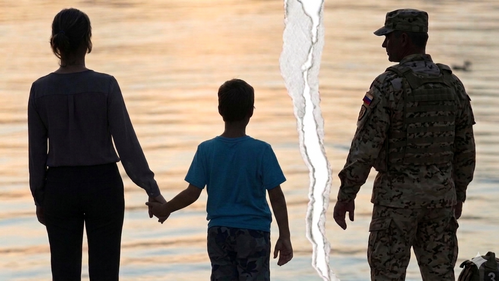
My heroes are warriors. But not all warriors carry a weapon. Some of them are behind the scenes. I’m referring to the families of people who carry a weapon or wear a badge for a living. I believe they are the hidden heroes at home. As John Dunne said, “They also serve, who sit and wait.”
When a loved one fights the effects of PTSD, your home becomes a refuge of hope and healing. The path to support and strength begins with a powerful, heartfelt choice: open, honest communication. Together, you can turn obstacles into small victories toward growth, healing, and a brighter future.
When a loved one fights the effects of PTSD, your home becomes a refuge of hope and healing. The path to support and strength begins with a powerful, heartfelt choice: open, honest communication. Together, you can turn obstacles into small victories toward growth, healing, and a brighter future.
Get honest
Not perfect communication. Not always eloquent or calm. Just real, raw, heart-level communication.
PTSD can change everything about your relationship, making the emotions in your home unpredictable and overwhelming. There may be days filled with silence, sudden moments of anxiety, or reactions that don’t seem to match the situation. For most military families, this can feel confusing or even hurtful. But beneath those moments is often a person trying to fully recover from war or a traumatic event. That’s where honesty comes in.
PTSD can change everything about your relationship, making the emotions in your home unpredictable and overwhelming. There may be days filled with silence, sudden moments of anxiety, or reactions that don’t seem to match the situation. For most military families, this can feel confusing or even hurtful. But beneath those moments is often a person trying to fully recover from war or a traumatic event. That’s where honesty comes in.
Go deep
Honest communication is rare. It creates a foundation of trust. It says, “You don’t have to hide in your own home.” When families speak openly—about their feelings, their struggles, even their fears—it removes the pressure for everything to be okay all the time. And that’s like taking a heavy rucksack off someone carrying the invisible weight of trauma.
Honest communication must go both ways. For those fighting against PTSD, honesty might look like saying, “I’m really struggling today,” instead of withdrawing completely. It might mean admitting when something triggers you, even if it’s hard to explain why.
For the family trying to love someone through PTSD, it often sounds like, “I don’t understand what you’re going through, but I love you, and I’m here to listen.” These acts of openness are small but powerful in the fight for your home.
Honest communication must go both ways. For those fighting against PTSD, honesty might look like saying, “I’m really struggling today,” instead of withdrawing completely. It might mean admitting when something triggers you, even if it’s hard to explain why.
For the family trying to love someone through PTSD, it often sounds like, “I don’t understand what you’re going through, but I love you, and I’m here to listen.” These acts of openness are small but powerful in the fight for your home.
Grind through it
Honest communication is essential for true connection, yet it’s a beast because it requires vulnerability and openness. This challenge is amplified when you’ve been told there’s something wrong with you—such as the stigma embedded in the term "Disorder." Personally, I hate the "D" in "PTSD," and I wish we’d drop it entirely. But I love the phrase “PTS” because it acknowledges that processing a traumatic event takes time for all of us.
What makes honest communication so powerful is its ability to eliminate guesswork. PTSD often thrives in silence and misunderstanding, fostering assumptions that are frequently inaccurate. By choosing to communicate openly and compassionately, we replace confusion with clarity and fear with genuine connection.
Furthermore, honest dialogue creates an emotional safety net. Knowing you can express yourself without judgment or pressure allows your nervous system to relax. Over time, these moments accumulate, serving as vital stepping stones toward healing and growth.
What makes honest communication so powerful is its ability to eliminate guesswork. PTSD often thrives in silence and misunderstanding, fostering assumptions that are frequently inaccurate. By choosing to communicate openly and compassionately, we replace confusion with clarity and fear with genuine connection.
Furthermore, honest dialogue creates an emotional safety net. Knowing you can express yourself without judgment or pressure allows your nervous system to relax. Over time, these moments accumulate, serving as vital stepping stones toward healing and growth.
Show Grace
For families, honesty is a guiding light, a powerful reminder that no one faces struggles alone—and that authenticity is a source of strength. While honesty doesn’t equate to perfection—you will make mistakes, frustrations will drive you crazy—these moments can serve as crucial opportunities for growth. When you face them as a team, they foster deeper trust rather than eroding it.
The journey to healing from PTSD is hard and often frustrating. However, in a home where honesty is valued, grace is offered, and consistency is steadfast, something truly powerful happens: the burden gets lighter. Not because the trauma vanishes, but because it is no longer faced alone. Fighting PTS “D” with honest communication can be the pivotal first step toward transformative healing.
The journey to healing from PTSD is hard and often frustrating. However, in a home where honesty is valued, grace is offered, and consistency is steadfast, something truly powerful happens: the burden gets lighter. Not because the trauma vanishes, but because it is no longer faced alone. Fighting PTS “D” with honest communication can be the pivotal first step toward transformative healing.
No Comments