Who really grants the power to kill in war? God’s Ultimate Authority and the Sword of the State
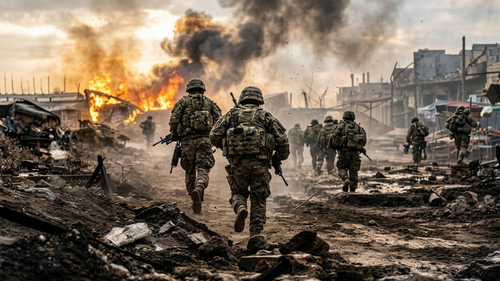
Men and women in uniform—military and law enforcement—live with a reality most people never face: carrying arms on behalf of their country or community. This duty calls for loyalty, discipline, and a willingness to step into danger, and we should thank God for these brave servants. But it also raises serious moral and spiritual questions, especially about using deadly force.
Chief among them is this: How do I reconcile obedience to governmental authority with allegiance to God, who alone has ultimate authority over life and death? That question goes straight to the heart of the heavy moral burden of carrying “the sword” for others. (See Romans 13:5)
Chief among them is this: How do I reconcile obedience to governmental authority with allegiance to God, who alone has ultimate authority over life and death? That question goes straight to the heart of the heavy moral burden of carrying “the sword” for others. (See Romans 13:5)
God’s Authority Over All Life
Life originates with God! This is unmistakable from the Bible. Human beings are made in God’s image. Life starts with God, and the Bible makes that clear. Every person is made in God’s image and has real worth in His eyes—including the enemy in war or the person who breaks the law. God alone has the final authority over life and death.
For those in uniform, this truth really matters. It reminds us that using force is never just another task and never without moral weight. God takes the loss of human life very seriously, even when it happens under lawful orders and for a just cause.
Believing in God’s sovereignty shouldn’t weaken a soldier’s courage. Instead, it should grow humility, encourage restraint, and bring sharper moral clarity.
For those in uniform, this truth really matters. It reminds us that using force is never just another task and never without moral weight. God takes the loss of human life very seriously, even when it happens under lawful orders and for a just cause.
Believing in God’s sovereignty shouldn’t weaken a soldier’s courage. Instead, it should grow humility, encourage restraint, and bring sharper moral clarity.
Government and Deadly Force
Military and law enforcement serve under lawful authority. Governments exist to protect people, preserve order, and restrain evil, with a limited, delegated authority to use force—even deadly force—when necessary. The Bible affirms the role of governing authorities in restraining evil.
Still, this authority is not absolute. Governments are made of imperfect people, capable of injustice and evil. History shows that not every war is just, and not every legal command is moral. That’s where a warrior’s conscience matters most.
Still, this authority is not absolute. Governments are made of imperfect people, capable of injustice and evil. History shows that not every war is just, and not every legal command is moral. That’s where a warrior’s conscience matters most.
The Weight Carried by the Warrior
Unlike policymakers, soldiers bear the immediate cost of war. They act in seconds, live with split-second decisions, and carry those memories long after the mission ends.
Military professionals know rules of engagement, proportional force, and noncombatant protection. These express moral restraint and the belief that power must be disciplined.
Faith adds the most important layer: an inner compass that reminds people they are accountable not only to command but to God, even in war.
Military professionals know rules of engagement, proportional force, and noncombatant protection. These express moral restraint and the belief that power must be disciplined.
Faith adds the most important layer: an inner compass that reminds people they are accountable not only to command but to God, even in war.
Jesus, Violence, and Moral Tension
Jesus recognized we live in a conflicted world, but He redefined strength. He rejected revenge, condemned abuse of power, and chose sacrifice over a worldly position of power. His example doesn’t give easy answers to modern warfare, but it clearly warns against glorifying violence.
For those who carry a weapon, following Jesus should be their top priority. It involves exercising restraint even when force is permitted, recognizing the enemy as human, and refusing to let hatred harden your heart. While deadly force may occasionally be necessary, it should never be your first response.
Faith should always take precedence over government authority and simply fulfilling one’s duty. Following Jesus ought to inspire integrity, moral courage, and keen moral discernment. Honoring laws, defending the innocent, and resisting evil are not signs of weakness but evidence of true warrior spirit and moral strength.
For those who carry a weapon, following Jesus should be their top priority. It involves exercising restraint even when force is permitted, recognizing the enemy as human, and refusing to let hatred harden your heart. While deadly force may occasionally be necessary, it should never be your first response.
Faith should always take precedence over government authority and simply fulfilling one’s duty. Following Jesus ought to inspire integrity, moral courage, and keen moral discernment. Honoring laws, defending the innocent, and resisting evil are not signs of weakness but evidence of true warrior spirit and moral strength.

No Comments