
Training resilient law enforcement officers BEFORE they draw their weapon.
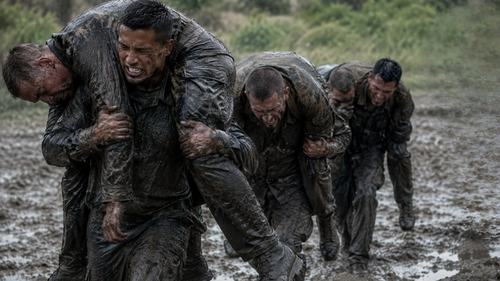
This is for police chiefs and command staff—the men and women responsible for shaping officers’ character before they ever face a gunfight.
I obsess over training. I’ve learned the hard way that nothing can replace tough, realistic training. During 17 combat deployments with the US Army Rangers, I’ve seen firsthand the benefits of preparing warriors for a firefight through focused, disciplined training. Unfortunately, I’ve also seen the catastrophic consequences of being unprepared for a gunfight.
Now, more than a dozen years after retiring from the US Army, I deal almost every day with the psychological and moral damage caused by intense tactical training that lacks an ethical foundation to guide individual actions during a gunfight.
After thousands of conversations with warriors and Law Enforcement Officers, I’ve come to realize that the greatest training program in America is fragile at best without an ethical foundation for taking a human life. After years of attending the funerals of friends who took their own lives because they couldn’t live with the shame of what they did in a gunfight, I’ve decided to dedicate the rest of my life to building resilience into the men and women BEFORE they use their service weapon.
The demands on American warriors are incredible, but the challenges that our Law Enforcement Officers face are even more intense. Modern policing demands split‑second decisions that are judged for years after the fact. As chief, your responsibility is not just to equip officers with tactics, but to shape their character before they face their first gunfight.
There is an obvious element missing from most tactical training in the military and law enforcement—the ethics of taking a human life. When ethics training exists, it’s often a classroom lecture, at best. Real gunfights are fast, violent, and confusing. Under that pressure, officers don’t rise to the level of a PowerPoint presentation—they sink to the level of their training.
When ethics training is missing, departments leave officers vulnerable to the intense feelings of shame or second-guessing after a gunfight. When ethics training is weak, officers pay the price in moral injury, burnout, and regret. The costs to agencies are also high in the form of lawsuits, investigations, and a broken culture. Even the communities you are sworn to protect and serve pay for this training deficiency through mistrust and anger.
Realistic ethics training is not optional. It is essential to building resilient officers, agencies, and communities.
I obsess over training. I’ve learned the hard way that nothing can replace tough, realistic training. During 17 combat deployments with the US Army Rangers, I’ve seen firsthand the benefits of preparing warriors for a firefight through focused, disciplined training. Unfortunately, I’ve also seen the catastrophic consequences of being unprepared for a gunfight.
Now, more than a dozen years after retiring from the US Army, I deal almost every day with the psychological and moral damage caused by intense tactical training that lacks an ethical foundation to guide individual actions during a gunfight.
After thousands of conversations with warriors and Law Enforcement Officers, I’ve come to realize that the greatest training program in America is fragile at best without an ethical foundation for taking a human life. After years of attending the funerals of friends who took their own lives because they couldn’t live with the shame of what they did in a gunfight, I’ve decided to dedicate the rest of my life to building resilience into the men and women BEFORE they use their service weapon.
The demands on American warriors are incredible, but the challenges that our Law Enforcement Officers face are even more intense. Modern policing demands split‑second decisions that are judged for years after the fact. As chief, your responsibility is not just to equip officers with tactics, but to shape their character before they face their first gunfight.
There is an obvious element missing from most tactical training in the military and law enforcement—the ethics of taking a human life. When ethics training exists, it’s often a classroom lecture, at best. Real gunfights are fast, violent, and confusing. Under that pressure, officers don’t rise to the level of a PowerPoint presentation—they sink to the level of their training.
When ethics training is missing, departments leave officers vulnerable to the intense feelings of shame or second-guessing after a gunfight. When ethics training is weak, officers pay the price in moral injury, burnout, and regret. The costs to agencies are also high in the form of lawsuits, investigations, and a broken culture. Even the communities you are sworn to protect and serve pay for this training deficiency through mistrust and anger.
Realistic ethics training is not optional. It is essential to building resilient officers, agencies, and communities.
What Realistic Ethics Training Requires
As a combat leader, I’ve seen training designed to prepare warriors for the violence and complexity of a gunfight. However, I’ve also seen training that was simply designed to check a block and meet the requirements before a unit went off to war. The long-term consequences of these two different approaches to training are stark.
The ethics of killing should never be a training afterthought! Bake this into every aspect of officer training, from the academy to officer’s final days on the force. Here are the basics of realistic ethical training:
1. Scenario‑Based Stress Training - Use time pressure and uncertainty simulations that include moral gray areas, not just clean “shoot/don’t shoot” setups.
2. Ethics Embedded in Tactics - Don’t isolate ethics as a separate training. Add ethical questions or situations into every drill.
3. Conduct Honest Debriefs - After training, slow down and review more than just what happened. Ask questions about individual character and organizational culture as well as tactics.
4. Values Tied to Mission - Make sure every officer advances the reputation of the agency. Repeat your mission, test it in scenarios, and model it in everything you do.
The ethics of killing should never be a training afterthought! Bake this into every aspect of officer training, from the academy to officer’s final days on the force. Here are the basics of realistic ethical training:
1. Scenario‑Based Stress Training - Use time pressure and uncertainty simulations that include moral gray areas, not just clean “shoot/don’t shoot” setups.
2. Ethics Embedded in Tactics - Don’t isolate ethics as a separate training. Add ethical questions or situations into every drill.
3. Conduct Honest Debriefs - After training, slow down and review more than just what happened. Ask questions about individual character and organizational culture as well as tactics.
4. Values Tied to Mission - Make sure every officer advances the reputation of the agency. Repeat your mission, test it in scenarios, and model it in everything you do.
Building Character, Not Just Competence
Cultural training is as important as tactics. If ethics training is a check‑the‑box task, your officers will treat it that way. If it’s treated as essential to the badge, they will rise to it.
Lead by making realistic ethics training mandatory for all levels—including yours. Invest time and money in this aspect of training, even when budgets are tight. Reward courage, restraint, and honesty—not just stats.
Lead by making realistic ethics training mandatory for all levels—including yours. Invest time and money in this aspect of training, even when budgets are tight. Reward courage, restraint, and honesty—not just stats.
Resilience Equals Retention-and Thriving
Resilient officers have moral clarity under pressure and the emotional tools to handle trauma. These officers thrive even after traumatic events in the line of duty. Moreover, they typically remain in this highly demanding line of work far longer than their peers.
Ethics training BEFORE a gunfight not only enables them to make sound decisions in a gunfight but also enables them to live with those decisions afterward. Ultimately, this training helps shape the character of the officer and the community they serve.
Ethics training BEFORE a gunfight not only enables them to make sound decisions in a gunfight but also enables them to live with those decisions afterward. Ultimately, this training helps shape the character of the officer and the community they serve.
The Benefits to Your Culture and Community
If retention or officer wellness hasn’t convinced you to immediately incorporate this into your training regimen, then the benefits to the organizational culture must.
Critically evaluate your program to determine if you are training officers to win the fight—and also to live with what happened after the fight. Determine if your scenarios test policy—or character under pressure?
You can’t control what your officers will face, but you can control how seriously you prepare them. Start now. Build resilient officers before their first gunfight—so they can protect your community, honor the badge, and sleep with a clear conscience long after the last report is filed.
Critically evaluate your program to determine if you are training officers to win the fight—and also to live with what happened after the fight. Determine if your scenarios test policy—or character under pressure?
You can’t control what your officers will face, but you can control how seriously you prepare them. Start now. Build resilient officers before their first gunfight—so they can protect your community, honor the badge, and sleep with a clear conscience long after the last report is filed.
Ready to bring realistic ethics training to your department? Reach out to Jeff Struecker Ministries—let’s talk about what building resilient officers looks like for your agency

Posted in Article
Posted in PREPARE FOR A GUNFIGHT, MILITARY TACTICAL TRAINING, BUILDING CHARACTER, ETHICS OF KILLING
Posted in PREPARE FOR A GUNFIGHT, MILITARY TACTICAL TRAINING, BUILDING CHARACTER, ETHICS OF KILLING
No Comments