
When politicians talk about “winning” wars, here’s what they don’t tell you
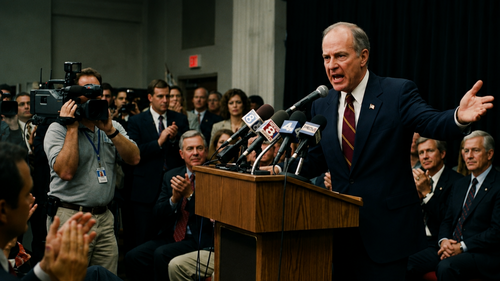
Winning comes at a cost! For some, winning demands the ultimate cost.
Every warrior faces the risks of geopolitics. The words politicians choose when talking about winning a war are very important in public discussions. God forbid a national leader ever goes to war without hoping to win. But wars come at a significant cost—not just for the soldiers fighting on the front lines, but also for their families and the entire nation.
There’s always a price to war. Often, those calling for conflict don’t talk about what that price might be. If you follow my reasoning, I believe that winning a war also comes with a cost. Sometimes, the price of winning can be higher than the benefits gained. Because of that, I think every citizen should strongly ask their elected representatives to honestly tell them what the cost of winning a war will be before any conflict begins.
Every warrior faces the risks of geopolitics. The words politicians choose when talking about winning a war are very important in public discussions. God forbid a national leader ever goes to war without hoping to win. But wars come at a significant cost—not just for the soldiers fighting on the front lines, but also for their families and the entire nation.
There’s always a price to war. Often, those calling for conflict don’t talk about what that price might be. If you follow my reasoning, I believe that winning a war also comes with a cost. Sometimes, the price of winning can be higher than the benefits gained. Because of that, I think every citizen should strongly ask their elected representatives to honestly tell them what the cost of winning a war will be before any conflict begins.
What "Winning" Actually Costs
The warriors sacrifice by carrying the weight on the battlefield and at home.
Warriors carry the weight of politicians’ decisions. That weight often comes with blood, sweat, and tears. The blood is the hardest part to deal with during the fight, but it stops when the battle ends. However, returning warriors face a different kind of burden—one they carry with them and pass on to their families and society.
Warriors carry the weight of politicians’ decisions. That weight often comes with blood, sweat, and tears. The blood is the hardest part to deal with during the fight, but it stops when the battle ends. However, returning warriors face a different kind of burden—one they carry with them and pass on to their families and society.
Families struggle while waiting and praying
Military families often face emotional hardships. From missing birthdays and special moments to the ongoing worry of losing a loved one overseas, they deeply cherish the freedom of our nation in ways many others might not fully understand.
Military families often face emotional hardships. From missing birthdays and special moments to the ongoing worry of losing a loved one overseas, they deeply cherish the freedom of our nation in ways many others might not fully understand.
Societies bear the responsibilities for a lifetime!
Societies will feel the burden of war on their military members and their families. I've often said that a nation that sends men and women to fight has a moral obligation to support them when they return, regardless of the cost or how long it takes.
Societies will feel the burden of war on their military members and their families. I've often said that a nation that sends men and women to fight has a moral obligation to support them when they return, regardless of the cost or how long it takes.
What I Learned About Victory's Price as an Army Ranger
Let me just answer the question you’re already asking… YES, the price is worth it… almost always. The people who have lost their freedom can teach those who never had to fight for it. Being born into the freest nation in history can make you lose respect for how precious and fragile freedom is. If you want to know more about the cost of freedom, read any of the USA’s Founding Fathers. They’ll show you how high the cost is for our precious freedom.
What the Bible Says About the Costs of War
Believe it or not, the Bible speaks directly to the cost of war. In Luke 14:31–32, Jesus uses the cost of war to illustrate the high cost of living out your faith. In this analogy, Jesus suggests that there’s a cost to losing the war. A king should consider that cost before ever entering into the battle.
Jesus uses this language to gently remind us that following him involves a choice. Just as a king considers the risks before going into battle, Jesus encourages his followers to keep the costs in mind before deciding to follow him.
Interestingly, Jesus’s analogy for counting the cost applies equally to winning the war and to losing it.
Jesus uses this language to gently remind us that following him involves a choice. Just as a king considers the risks before going into battle, Jesus encourages his followers to keep the costs in mind before deciding to follow him.
Interestingly, Jesus’s analogy for counting the cost applies equally to winning the war and to losing it.
How you should think about the political rhetoric of “winning wars”
I encourage you to keep two things in mind whenever you hear an elected official talk about “winning a war." First, the cost of winning can be very high. Even if everything goes perfectly—though it rarely does—there's still a heavy toll in blood, sweat, and tears to pay.
Secondly, the cost of freedom is definitely worth it. Standing up against evil is never easy, but it’s so important. Freedom demands sacrifices, and those sacrifices are significant whether we lose or win the battle. And even after the last shot is fired, the impact of that cost stays with us.
Keep this cost in mind when your officials talk about winning a war. Demand that they "count the costs" before sending soldiers to battle. Honesty about costs might prevent unnecessary wars.
Secondly, the cost of freedom is definitely worth it. Standing up against evil is never easy, but it’s so important. Freedom demands sacrifices, and those sacrifices are significant whether we lose or win the battle. And even after the last shot is fired, the impact of that cost stays with us.
Keep this cost in mind when your officials talk about winning a war. Demand that they "count the costs" before sending soldiers to battle. Honesty about costs might prevent unnecessary wars.
FAQ: Faith, War, and Leadership
What do leaders often leave out when they talk about “winning” a war?
They rarely name the human cost in the same breath as the victory — the wounded, the marriages strained, the children who grow up with a parent forever changed. Naming a strategy is easier than naming a casualty.
They rarely name the human cost in the same breath as the victory — the wounded, the marriages strained, the children who grow up with a parent forever changed. Naming a strategy is easier than naming a casualty.
What does the Bible say about war and the cost of victory?
Scripture never treats war casually. In Luke 14:31, Jesus assumes a wise leader counts the cost before committing others to battle. Biblically, victory is never separated from its price.
Scripture never treats war casually. In Luke 14:31, Jesus assumes a wise leader counts the cost before committing others to battle. Biblically, victory is never separated from its price.
How should Christians think about war, leadership, and sacrifice?
Christians are called to pray earnestly for those in harm's way and for the leaders who send them, to speak honestly about war's cost rather than only its outcome, and to trust God's sovereignty over the nations (Psalm 20:7).
Christians are called to pray earnestly for those in harm's way and for the leaders who send them, to speak honestly about war's cost rather than only its outcome, and to trust God's sovereignty over the nations (Psalm 20:7).
What did Jeff Struecker learn about the true cost of combat as an Army Ranger?
In Mogadishu in 1993, Jeff learned that even a mission that accomplishes its objective still leaves permanent scars on everyone involved — victory and cost arrive together, not one after the other.
In Mogadishu in 1993, Jeff learned that even a mission that accomplishes its objective still leaves permanent scars on everyone involved — victory and cost arrive together, not one after the other.
Pray With Us This Week
If you take one thing from this today, let it be this: pray. Pray for the troops currently in harm's way. Pray for their families, holding down the home front alone. And pray for the leaders carrying decisions most of us will never have to make. Join our mailing list, and we'll keep you updated on specific ways to intercede for those who bear the true cost of the wars our leaders talk about.
Posted in Article
Posted in POLITICAL RHETORIC, GEOPOLITICS, MILITARY SACRIFICE, FREEDOM, True Cost of War
Posted in POLITICAL RHETORIC, GEOPOLITICS, MILITARY SACRIFICE, FREEDOM, True Cost of War
No Comments